Enhancing Energy Efficiency with Quality Insulation
- Sooze Connolly
- May 22
- 3 min read

In today's world, energy efficiency is more than just a buzzword; it is a necessity. With rising energy costs and increasing environmental concerns, homeowners and businesses alike are looking for effective ways to reduce energy consumption. One of the most impactful methods to achieve this is through quality insulation. Proper insulation not only helps maintain comfortable indoor temperatures but also significantly reduces energy bills. In this post, we will explore how quality insulation enhances energy efficiency, the different types of insulation available, and practical tips for choosing the right insulation for your needs.
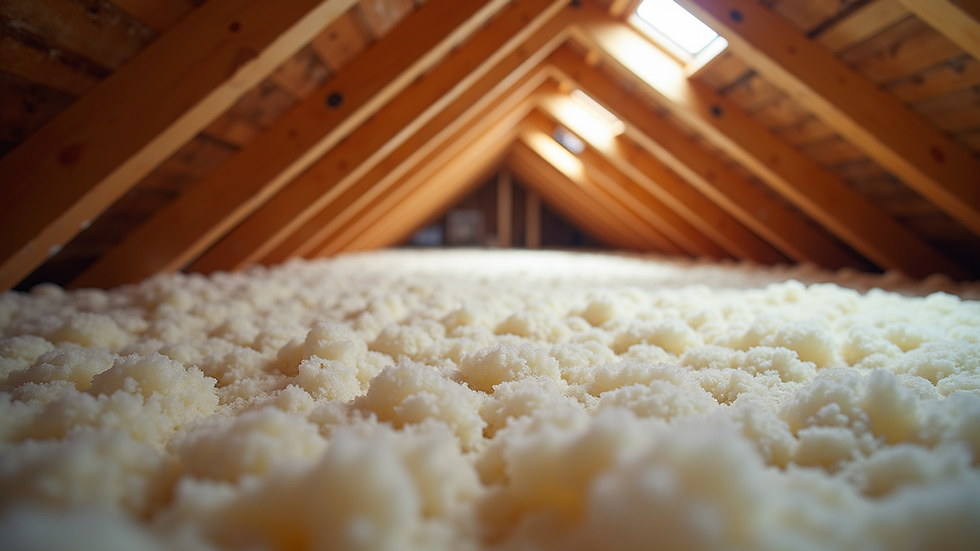
Understanding Insulation and Its Importance
Insulation is a material that resists the flow of heat. It is used in buildings to keep warm air inside during winter and to keep it out during summer. The effectiveness of insulation is measured by its R-value, which indicates its resistance to heat flow. The higher the R-value, the better the insulation's effectiveness.
Why Quality Insulation Matters
Energy Savings: Quality insulation can reduce heating and cooling costs by up to 30%. This means that investing in good insulation can lead to significant savings over time.
Comfort: Insulation helps maintain a consistent indoor temperature, making your home or office more comfortable year-round.
Environmental Impact: Reducing energy consumption lowers greenhouse gas emissions, contributing to a healthier planet.
Noise Reduction: Insulation also acts as a sound barrier, reducing noise from outside and between rooms.
Types of Insulation
There are several types of insulation materials available, each with its own benefits and applications. Here are some of the most common types:
Fiberglass Insulation
Fiberglass insulation is one of the most widely used types. It is made from tiny glass fibers and is available in batts, rolls, and loose-fill forms.
Pros: Non-combustible, resistant to moisture, and cost-effective.
Cons: Can irritate skin and lungs during installation.
Foam Board Insulation
Foam board insulation consists of rigid panels made from polystyrene, polyisocyanurate, or polyurethane.
Pros: High insulating value for relatively little thickness, moisture-resistant.
Cons: More expensive than fiberglass and can be difficult to install in some areas.
Spray Foam Insulation
Spray foam insulation is a versatile option that expands on application, filling gaps and cracks.
Pros: Excellent air barrier, high R-value, and moisture-resistant.
Cons: Higher cost and requires professional installation.
Cellulose Insulation
Made from recycled paper products, cellulose insulation is an eco-friendly option.
Pros: Good thermal performance, made from recycled materials, and pest-resistant.
Cons: Can settle over time, reducing effectiveness.
Choosing the Right Insulation
Selecting the right insulation for your home or business involves considering several factors:
Climate
The climate in your area plays a significant role in determining the type of insulation you need. For example, homes in colder climates may benefit from higher R-value insulation, while those in warmer areas might prioritize reflective insulation.
Building Type
Different building types may require different insulation solutions. For instance, attics, walls, and basements each have unique insulation needs.
Budget
While it may be tempting to choose the cheapest option, investing in quality insulation can lead to long-term savings on energy bills. Consider the initial cost versus the potential savings over time.
Installation
Some insulation types are easier to install than others. If you plan to do it yourself, fiberglass batts or rolls may be more manageable. For more complex installations, consider hiring a professional.
Practical Tips for Enhancing Energy Efficiency with Insulation
Conduct an Energy Audit: Before upgrading insulation, conduct an energy audit to identify areas of heat loss. This can help you prioritize where to focus your efforts.
Seal Air Leaks: Before adding insulation, seal any gaps or cracks around windows, doors, and other openings. This will maximize the effectiveness of your insulation.
Consider Insulation in New Builds: If you are building a new home, consider incorporating high-quality insulation from the start. This can save you money in the long run.
Upgrade Existing Insulation: If your home is older, it may be time to upgrade your insulation. Check the R-value of your current insulation and consider adding more if it is below recommended levels.
Maintain Your Insulation: Regularly check your insulation for signs of damage or settling. Replace or add insulation as needed to maintain its effectiveness.
The Future of Insulation
As technology advances, new insulation materials and methods are being developed. Innovations such as reflective insulation, which reflects radiant heat, and advanced aerogel insulation, known for its lightweight and high R-value, are paving the way for even greater energy efficiency.
Conclusion
Investing in quality insulation is one of the most effective ways to enhance energy efficiency in your home or business. By understanding the different types of insulation available and how to choose the right one, you can significantly reduce energy costs, improve comfort, and contribute to a more sustainable future. Take the first step today by assessing your insulation needs and making informed choices that will benefit you for years to come.


Comments